


The Importance of Waterway Maintenance for Ecosystems

Hey there! Have you ever stopped to think about why keeping our waterways clean and well-maintained is such a big deal? I’m here to tell you—it’s super important! Waterways like lakes, ponds, and rivers are the lifeblood of many ecosystems. When they’re healthy, everything from fish to plants to birds thrives. But when they get clogged up or polluted, it’s a whole different story. So, let’s dive into why waterway maintenance matters so much for ecosystems and what we can do to keep these natural treasures sparkling and safe!
Why Waterway Maintenance Is a Game-Changer for Ecosystems
Waterway maintenance isn’t just about aesthetics or making sure boats can pass through. It’s about protecting the delicate balance of life that depends on clean, flowing water. When waterways get clogged with invasive plants, sediment, or debris, it can cause serious problems:
Reduced oxygen levels in the water, which fish and other aquatic creatures need to survive.
Blocked sunlight, which aquatic plants need for photosynthesis.
Increased risk of flooding because water can’t flow freely.
Habitat loss for animals that rely on clean water and healthy plants.
By regularly maintaining waterways, we help keep these ecosystems vibrant and resilient. It’s like giving nature a helping hand to do what it does best!

How Waterway Maintenance Supports Wildlife and Biodiversity
Did you know that a well-maintained waterway is a wildlife hotspot? When water flows freely and plants are managed properly, it creates the perfect environment for a variety of species. Fish spawn in clean, oxygen-rich water. Birds find food and shelter along the banks. Amphibians hop around happily in the shallows.
But when waterways get overrun with invasive weeds or sediment builds up, it can choke out native plants and animals. This disrupts the food chain and reduces biodiversity. Maintaining waterways means:
Removing invasive aquatic vegetation that competes with native species.
Dredging sediment to restore water depth and clarity.
Controlling algae blooms that can be toxic to fish and other wildlife.
This kind of care helps keep ecosystems balanced and thriving. Plus, it supports recreational activities like fishing and birdwatching, which are a blast!
Practical Tips for Effective Waterway Maintenance
So, how do we keep waterways in tip-top shape? Here are some practical steps that really make a difference:
Regular Monitoring - Keep an eye on water quality and vegetation growth. Early detection of problems means easier fixes.
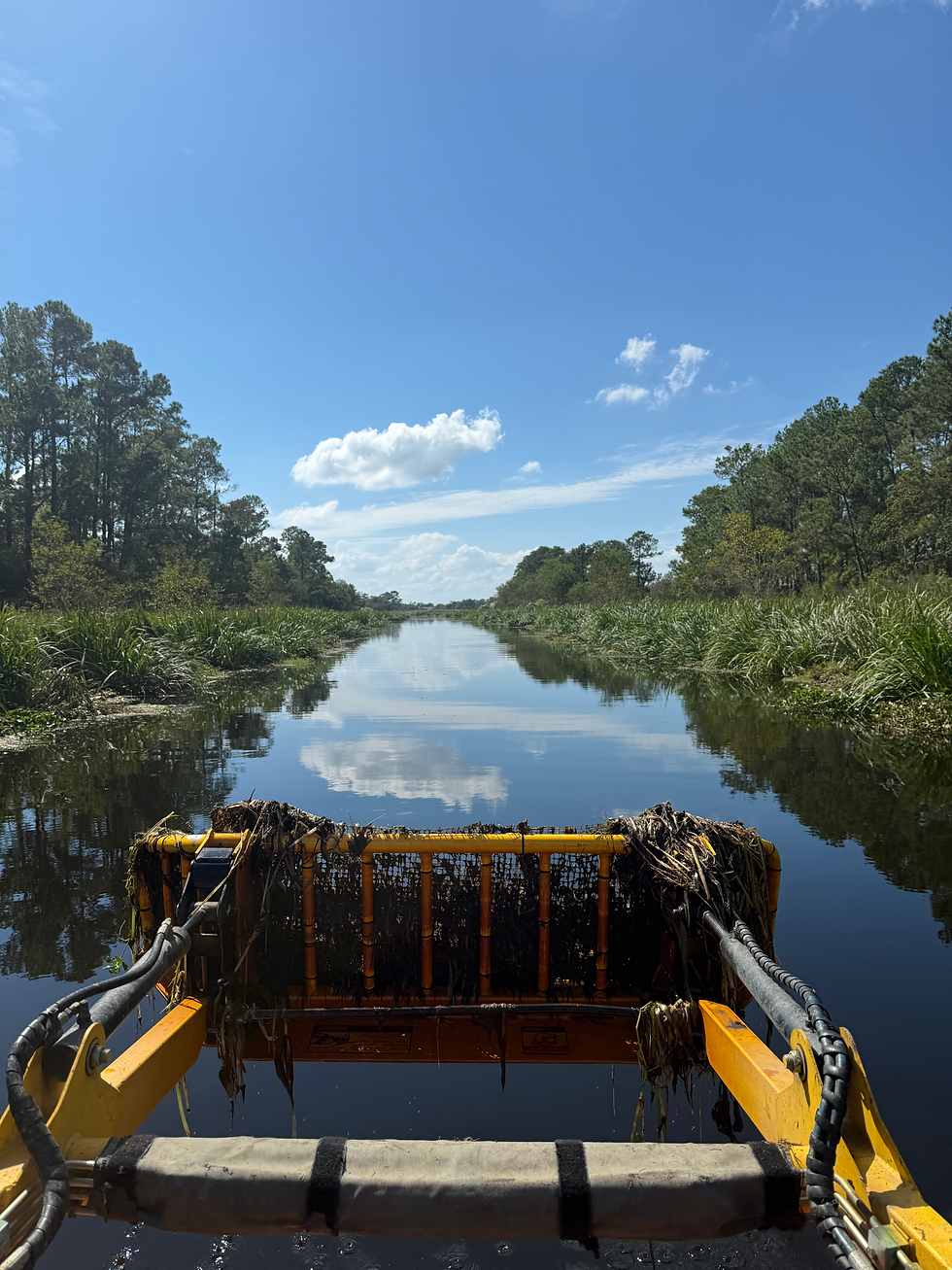
Eco-Friendly Vegetation Removal - Use methods that don’t harm the environment, like mechanical harvesting. Chemical applications are not considered eco-friendly methods.
Dredging When Needed - Removing excess sediment helps restore water depth and flow.
Preventing Pollution - Avoid dumping waste or chemicals near waterways. Encourage natural buffers like grasses and trees along banks.
Community Involvement - Get neighbors and local groups involved in clean-up days and education efforts.
By following these tips, we can all play a part in maintaining healthy waterways that support vibrant ecosystems.
The Role of Waterway Maintenance in Flood Prevention and Water Quality
Here’s a fun fact: maintaining waterways isn’t just good for plants and animals—it also helps protect us! When waterways are clogged, water can’t flow properly, leading to flooding during heavy rains. Flooding can damage homes, roads, and farmland.
Plus, clean waterways filter pollutants naturally. Healthy aquatic plants and sediments trap harmful substances before they reach larger bodies of water. This means better water quality for drinking, recreation, and wildlife.
So, by keeping waterways clear and healthy, we’re also safeguarding our communities and natural resources. It’s a win-win!
Why Choosing Eco-Friendly Solutions Matters
I can’t stress this enough—eco-friendly waterway maintenance is the way to go! Harsh chemicals and aggressive methods might seem like quick fixes, but they can harm the very ecosystems we want to protect.
Instead, look for solutions that:
Target invasive species without damaging native plants.
Use biodegradable or low-impact products.
Employ mechanical removal techniques that minimize disturbance.
Support long-term ecosystem health.
This approach not only keeps waterways clean but also ensures they stay vibrant and resilient for years to come. It’s all about working with nature, not against it!
Keeping Our Waterways Beautiful and Healthy for better Tomorrow

Waterway maintenance is more than just a chore—it’s a vital part of protecting our environment and the amazing creatures that call it home. Whether it’s a lake, pond, or river, regular care keeps these ecosystems thriving and safe.
So next time you’re near a waterway, take a moment to appreciate all the life it supports. And remember, maintaining these natural gems is a team effort! By staying informed and choosing eco-friendly practices, we can all help create cleaner, safer waterways for a better tomorrow.
Ready to learn more about how to keep your waterways in great shape? Check out Weed-Out for eco-friendly aquatic vegetation removal and dredging solutions across Louisiana, Mississippi, and Texas. Let’s work together to restore and maintain our precious waterways!
Thanks for sticking with me! Now go out there and be a waterway hero!


Comments